Jewelry Care: The Good & The Please Don’t
Fine jewelry is meant to be worn. Your engagement ring goes to work with you. A favorite necklace becomes part of your everyday uniform. The bracelet you received for an anniversary may barely leave your wrist. That’s part of what makes jewelry meaningful. It becomes part of your life.
The trouble is, everyday life can be surprisingly hard on it. Most jewelry damage doesn’t come from one dramatic accident. It happens gradually; through repeated exposure to chemicals, pressure, impact, residue, and ordinary habits that don’t seem particularly risky at the time.
The good news is that protecting your jewelry doesn’t require treating it like a museum piece. A few smarter habits can help prevent unnecessary wear, damage, and even loss.
Know When to Take Your Jewelry Off
The simplest jewelry-care rule may also be the most important: some activities are better without fine jewelry.
Rings, bracelets, watches, and necklaces can be exposed to unusual pressure or impact during workouts, gardening, cleaning, home improvement projects, and other hands-on activities. Even light weightlifting can bend a ring shank. Gardening can push dirt into settings or snag prongs. Household chores can expose jewelry to hard surfaces and harsh chemicals.
Gloves aren’t always enough protection. Pulling them on and off can catch elevated settings or loosen stones over time.
A better habit: Before an activity involving chemicals, tools, heavy lifting, dirt, or repetitive impact, remove your jewelry and place it somewhere secure.
If you find yourself thinking, It’ll probably be fine, that may be your cue to take it off.
Keep Jewelry Away from Everyday Chemicals
Many of the products we use every day can leave their mark on jewelry. Lotions, sunscreen, hairspray, cosmetics, perfume, soap, and cleaning products can build up around gemstones and underneath settings, making jewelry look dull.
Some chemicals can also affect certain metals and more delicate gemstones. Chlorine deserves particular caution. Frequent exposure to heavily chlorinated water can be hard on some jewelry alloys, while pools introduce another obvious risk: losing a piece in the water.
A better habit: Put jewelry on after your skincare products, fragrance, and cosmetics have dried or absorbed. Think of jewelry as the finishing touch:
Put it on last. Take it off first.
And before swimming, cleaning, showering, or using household chemicals, give your jewelry time off.
Putting Jewelry in “Safe Places”
A surprising amount of jewelry gets lost shortly after someone intentionally takes it off. A ring goes beside the sink. Earrings are wrapped in a tissue. A necklace lands in a handbag pocket. A bracelet gets tucked into a robe while getting ready.
Each location feels safe for the moment. Then the moment passes.
Jewelry is especially vulnerable when it’s outside its normal routine. Small pieces can easily be swept into the trash, washed down a drain, left in a hotel room, or forgotten entirely.
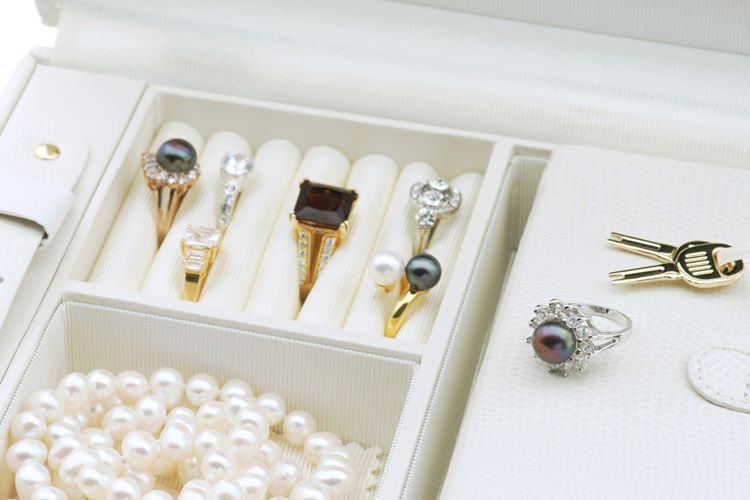
A better habit: Give your jewelry a permanent home.
At home, use a jewelry box, tray, or secure storage location consistently. When you’re away from home, carry a small jewelry case rather than placing pieces loose in a pocket, handbag, or wallet. The fewer “temporary safe places” you create, the fewer places you’ll eventually have to search.
Pay Attention When Something Feels Different
Jewelry often gives you a warning before something goes seriously wrong. A ring begins catching on clothing. A gemstone makes a faint clicking sound. A clasp doesn’t close quite the way it used to. A chain develops a kink. A stone seems to move slightly when you touch it. Those little changes matter.
Prongs, clasps, links, hinges, and settings all experience wear over time, particularly on jewelry worn every day. Continuing to wear a piece with a developing problem can turn a relatively simple repair into a lost gemstone or broken piece.
A better habit: If something feels, looks, or sounds different, stop wearing the jewelry until your jeweler can inspect it.
Regular professional inspections are also worthwhile for frequently worn pieces, especially engagement rings and other jewelry with raised gemstone settings. Preventive maintenance is considerably easier than searching for a diamond that is no longer in its setting.
Clean Your Jewelry Carefully. Not Aggressively
Clean jewelry looks better, but more cleaning isn’t necessarily better cleaning. Internet remedies involving toothpaste, baking soda, household chemicals, or aggressive scrubbing can do more harm than good. Different gemstones, metals, finishes, and treatments require different care. What works beautifully for one piece may be completely inappropriate for another.
A better habit: Ask your jeweler how your specific jewelry should be cleaned.
For many durable pieces, gentle cleaning may be appropriate, but delicate gemstones, pearls, antique jewelry, treated stones, and certain finishes can require special care. When in doubt, let a professional handle it. Your jewelry deserves the careful cleaning your jeweler can provide.
Remember That Jewelry Changes Over Time
Your treasured piece may look the same, but that doesn’t mean nothing has changed. Over time, metal gradually wears. Prongs become thinner. Clasps loosen. Settings experience years of everyday movement.
The financial side can change, too. Gold prices, gemstone values, labor costs, and replacement costs can shift over time. You may also have resized a piece, upgraded a diamond, redesigned an heirloom, or added new jewelry to your collection. That means protecting important jewelry isn’t a one-time task.
A better habit: Periodically review both the physical condition and documentation for your most important pieces.
Keep clear photographs, receipts, grading reports, and current appraisals when appropriate. If you make a significant change to a piece or acquire something new, update your records rather than assuming you’ll remember the details years later.
The Goal Isn’t to Wear Your Jewelry Less
Fine jewelry is meant to celebrate your life; not sit untouched because something might happen to it. The goal is simply to understand when your everyday routine creates unnecessary risk.
Take jewelry off before activities that could damage it. Store it in the same secure place. Pay attention to small signs of wear. Clean it appropriately. Have important pieces inspected and documented as they age.
Those habits don’t take much effort, but over years of wear they can make a meaningful difference.
Care Helps Prevent Problems. Protection Helps Prepare for the Ones You Can’t Prevent.
Even careful jewelry owners have accidents. A ring can still disappear during a trip. A necklace can be stolen. A stone can be damaged in an unexpected impact. Sometimes a piece simply cannot be found, no matter how carefully you retrace your steps. That’s where jewelry insurance becomes part of a complete protection plan.
Specialized jewelry insurance can help protect against risks such as loss, theft, damage, and mysterious disappearance; events that good maintenance alone can’t prevent.
With Lavalier Personal Jewelry Insurance, protecting your jewelry means thinking about both sides of the equation: taking care of the pieces you love every day and having protection in place for the moments you never saw coming.
Because the best way to enjoy meaningful jewelry is not to worry about it constantly. It’s to take good care of it; and know you’re prepared when life happens.