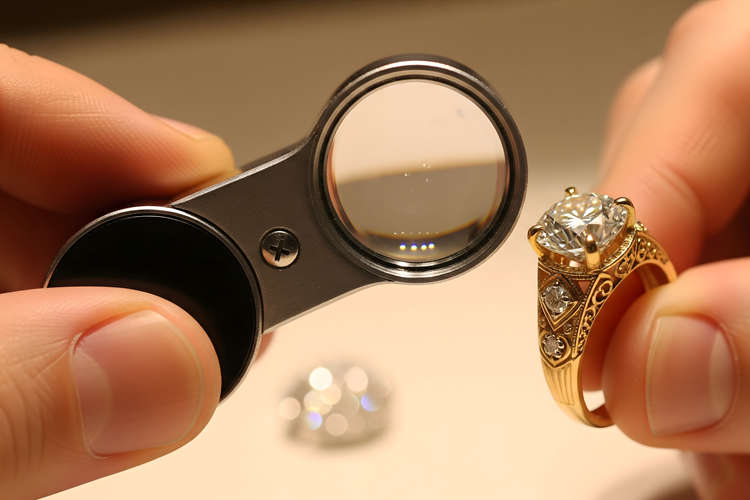
At the heart of effective jewelry insurance is a trusted appraisal. It’s the foundation for accurate coverage, a smooth claims experience, and peace of mind if the unexpected happens.
When you insure a piece of jewelry, you’re not just protecting metal and stones. You’re protecting moments, memories, and values that often evolve over time. At the heart of effective jewelry insurance is a trusted appraisal. It’s the foundation for accurate coverage, a smooth claims experience, and peace of mind if the unexpected happens.
Let’s walk through what a jewelry appraisal really is, why it matters, and how to make sure yours is doing the job you need it to do.
What Is a Jewelry Appraisal?
A jewelry appraisal is a professional valuation of a piece of jewelry that assigns a current replacement value based on today’s market, not what you paid years ago. The appraisal document includes detailed descriptions of the piece — its metals, gemstones, weights, characteristics, and current retail replacement cost — along with the appraiser’s credentials and signature. These specifics help insurers understand what they are covering and how much it would cost to replace the item today.
Appraisals for insurance are distinct from resale or estate valuations. Resale values reflect what you might get selling the piece in a secondary market. Insurance appraisals reflect what it would cost to obtain a comparable piece at current market prices.
Why an Accurate Appraisal Matters
An appraisal isn’t a formality. It determines the coverage level and premium of your policy. Without it, or without one that reflects today’s market, you could be underinsured, or in some cases, unintentionally over-insured with a number that doesn’t realistically align with current replacement cost.
This is especially true in today’s market where trends and valuations can diverge. For example, some appraisers and insurers are issuing “metal-only” appraisals for pieces with lab-grown diamonds. Those limited jewelry appraisals intentionally focus on the value of the precious metal rather than the diamond itself, which can result in a lower insured value than the piece’s fair replacement cost. That may leave you underprotected if you need to replace the item. Lab-grown diamonds have different market dynamics and lower relative values compared with their natural diamond counterparts, and that is reflected in appraisal and insurance considerations.
Jewelry Appraisal Frequency: Every 3–5 Years
Jewelry doesn’t sit in a vacuum. Precious metal prices move, gemstone markets shift, designers achieve new recognition, and consumer demand changes. Because of this, most industry professionals recommend reappraising significant pieces of jewelry every three to five years.
Even if your jewelry looks the same, the cost to replace it can change significantly. An outdated jewelry appraisal can leave you underinsured at precisely the moment you need coverage most: after loss, theft, or damage.
Why Frequent Reappraisal Is Good Practice
- Market shifts affect metals and stones — gold, platinum, and diamond pricing can change year to year.
- Redesigns and upgrades change value — if you’ve altered the piece, its replacement cost has likely changed too.
- Daily wear affects condition — wear and tear can impact how a jeweler repairs or replaces the item.
Updating jewelry appraisals every few years ensures the number your insurance relies on matches today’s reality, not yesterday’s cost.
Avoiding Over-Insurance and Legal Exposure
Just as underinsurance is a risk, overinsurance can be problematic too. Insurance is structured to protect you against real replacement cost. Overstating value can lead to higher premiums with little benefit to you. Worse, consistently inflated jewelry appraisals can expose both insurers and consumers to compliance issues if those values can’t be supported with current market evidence. Industry best practice encourages accurate, defensible appraisal values — not exaggerated ones.
Lavalier™’s Approach: Trusted Jewelry Appraisals, Fair Coverage
With specialized jewelry insurance like Lavalier™ Personal Jewelry Insurance, appraisals are a core requirement for items valued at $5,000 or more. Acceptable appraisals include detailed descriptions of the jewelry, materials, gemstones, and retail replacement cost, and they must be current (typically no older than 12 months when submitted).
Lavalier™ does not automatically inflate premiums through an “inflation guard” without regard to the actual market or the documented jewelry appraisal. Instead, it encourages regular reappraisals so that your coverage reflects what it would cost to replace your jewelry today — not what it might have been worth years ago.
The Bottom Line
Jewelry appraisals are more than paperwork. They’re the cornerstone of accurate insurance coverage. A reliable appraisal tells an insurer what your piece actually costs to replace, and regular updates ensure that coverage keeps pace with changing values.
If you own jewelry that matters to you — emotionally and financially — starting with a current, thorough appraisal and updating it every few years is one of the smartest steps you can take to protect your investment.
For more information about Lavalier™ Personal Jewelry Insurance, click here.